
Types of Networking Cables for Small Businesses in 2026
The backbone of any small business is its network infrastructure. In 2026, the best networking cables for small businesses prioritize high speed and reliability, with Cat6 and Cat6a UTP (Unshielded Twisted Pair) being the top choices for typical office environments. A strong network enables fast file transfers, reliable VoIP calls, responsive security systems, and seamless online operations. the heart of every network are networking cables — the physical pathways that carry data between devices.
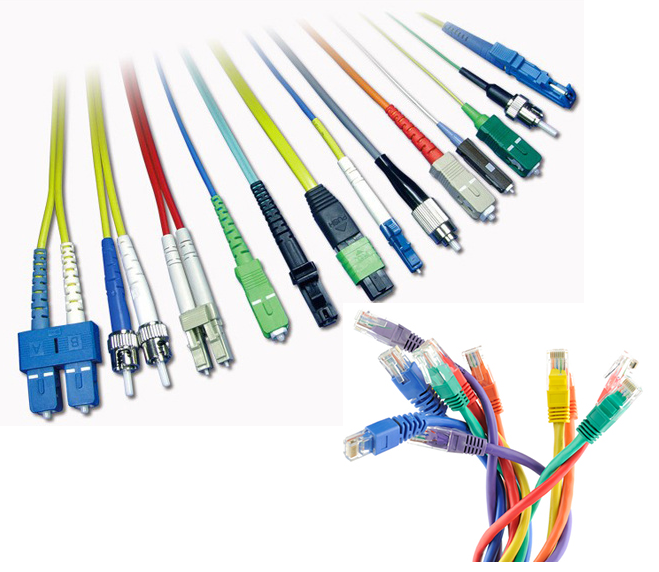
1. Ethernet Twisted-Pair Cables
Ethernet twisted-pair cables are the most common wiring found in business networks. They plug into switches, routers, and devices using RJ-45 connectors.
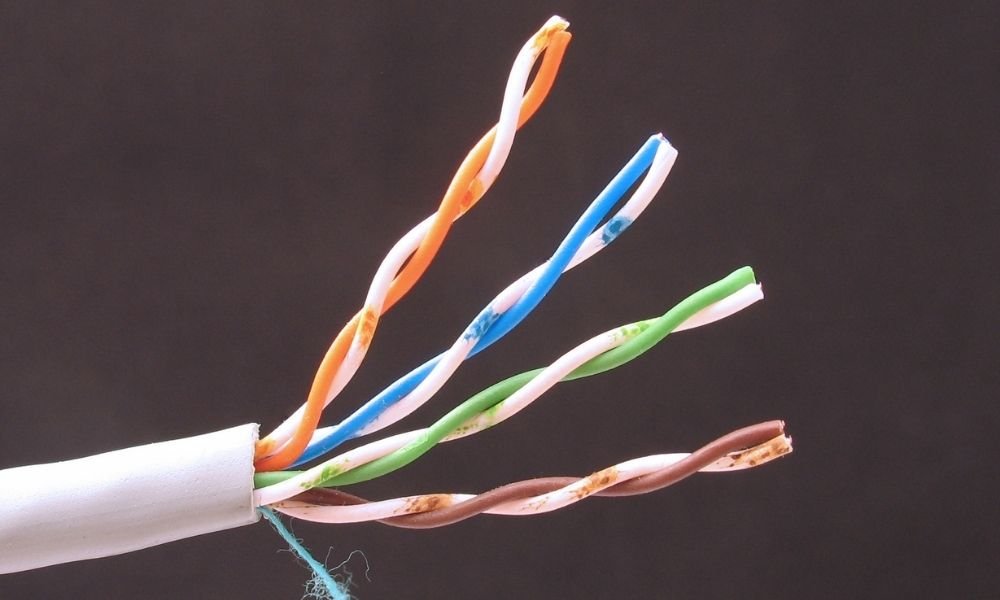
Cat5e (Category 5e)
Suitable for basic, low-speed networks or environments with limited budget, supporting up to 1Gbps
- Speed: Up to 1 Gbps
- Frequency: 100 MHz
- Best for: Basic office networks, VoIP, small surveillance systems
- Pros: Affordable, widely supported
- Cons: Slower than newer standards
Cat6 (Category 6)
Offers the best balance of price and performance, capable of 1Gbps speeds up to 55 meters and 1Gbps for the full 100 meters.
- Speed: Up to 10 Gbps (at shorter runs)
- Frequency: 250 MHz
- Best for: Medium-size networks, faster local traffic, high-definition cameras
- Pros: Good performance/cost balance
- Cons: Less future-proof than higher categories
Cat6a (Augmented Category 6)
The “gold standard” for future-proofing, supporting 10Gbps speeds up to 100 meters, ideal for high data traffic, video conferencing and multiple devices.
- Speed: Up to 10 Gbps
- Frequency: 500 MHz
- Best for: High-density networks, 4K+ surveillance, fast data centers
- Pros: Less crosstalk, stronger performance at longer distances
- Cons: Slightly higher cost
Cat7 & Cat8 (Emerging High-Performance Cabling)
| Cable | Speed | Frequency | Use Cases |
|---|---|---|---|
| Cat7 | 10 Gbps | 600 MHz | Enterprise-grade infrastructure |
| Cat8 | 25–40 Gbps | 2000 MHz | Data centers, ultra-high-speed needs |
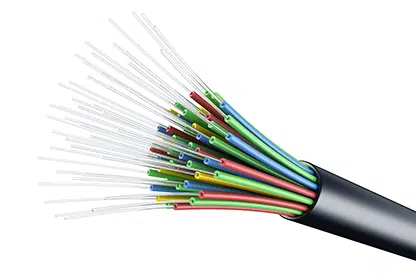
2. Fiber Optic Cables
Fiber optic cabling transmits data using light — making it far faster and more resistant to interference than copper wiring.
Single-Mode Fiber
Distance: 10 km+
Speed: 10 Gbps–100 Gbps+
Best for: Campus networks, inter-building connections
Multi-Mode Fiber
Distance: 300 m–2 km
Speed: 10 Gbps–40 Gbps
Best for: In-building backbones, high-traffic nodes
3. Coaxial Cables
Although less common in modern network backbones, coaxial cabling is still used in hybrid security installations.
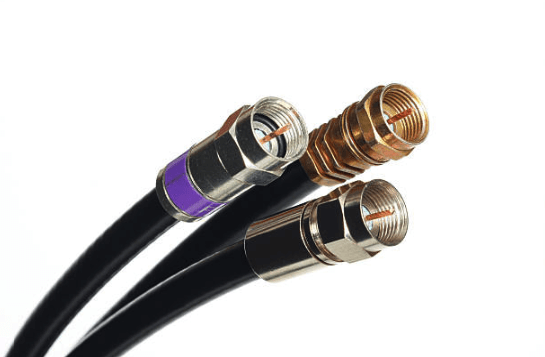
Typical use cases:
Older CCTV systems
Some broadband and cable internet connections
4. Shielded vs Unshielded Cables
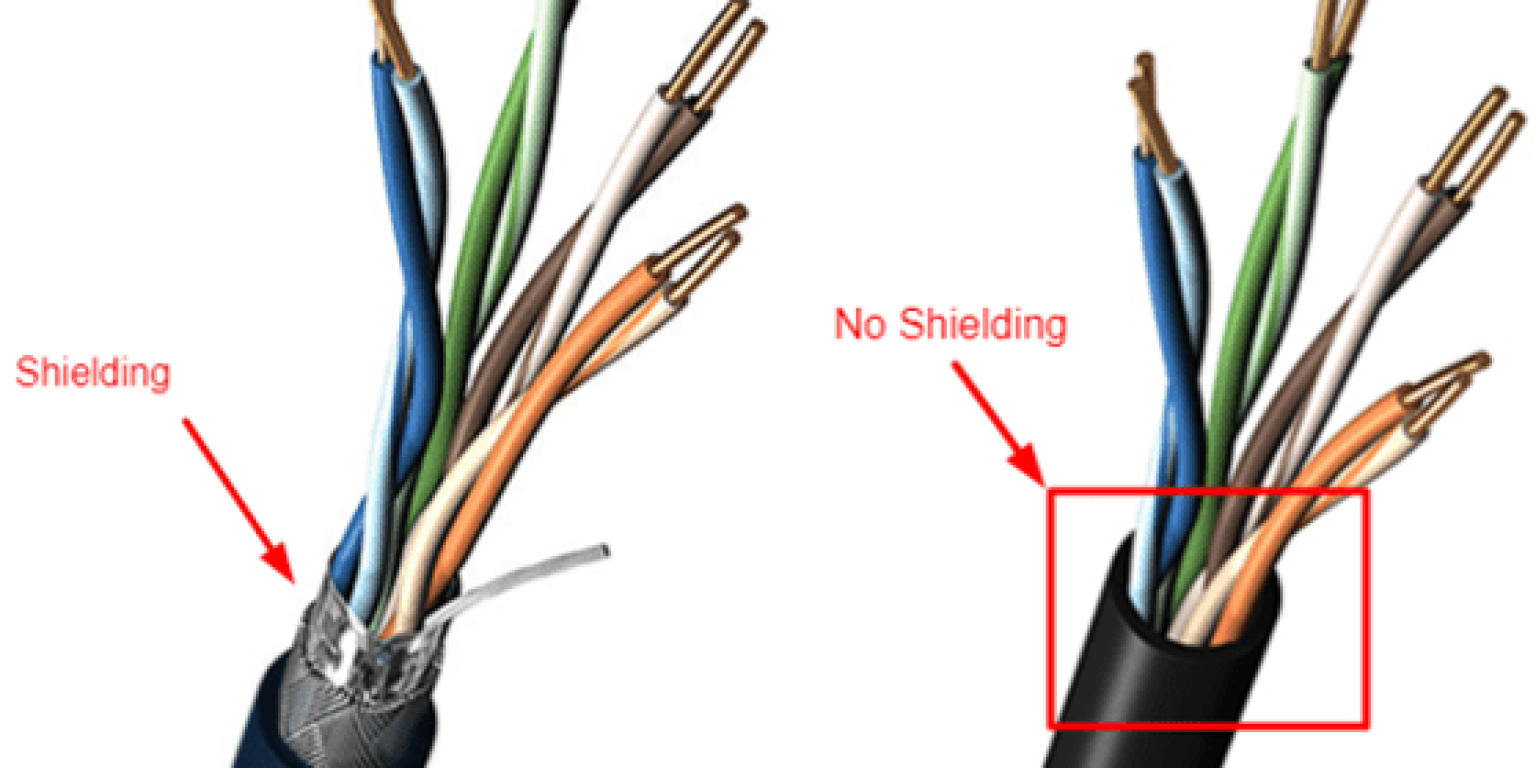
Unshielded Twisted Pair (UTP)
Common for office networks
Suitable for most environments
Shielded Twisted Pair (STP)
Adds a protective shield
Reduces electromagnetic interference (EMI)
Ideal near heavy machinery or electrical interference
5. Power over Ethernet (PoE)-Ready Cabling
Many modern security cameras, access points, and VoIP phones rely on Power over Ethernet (PoE) — which delivers power over the same cable that carries data.
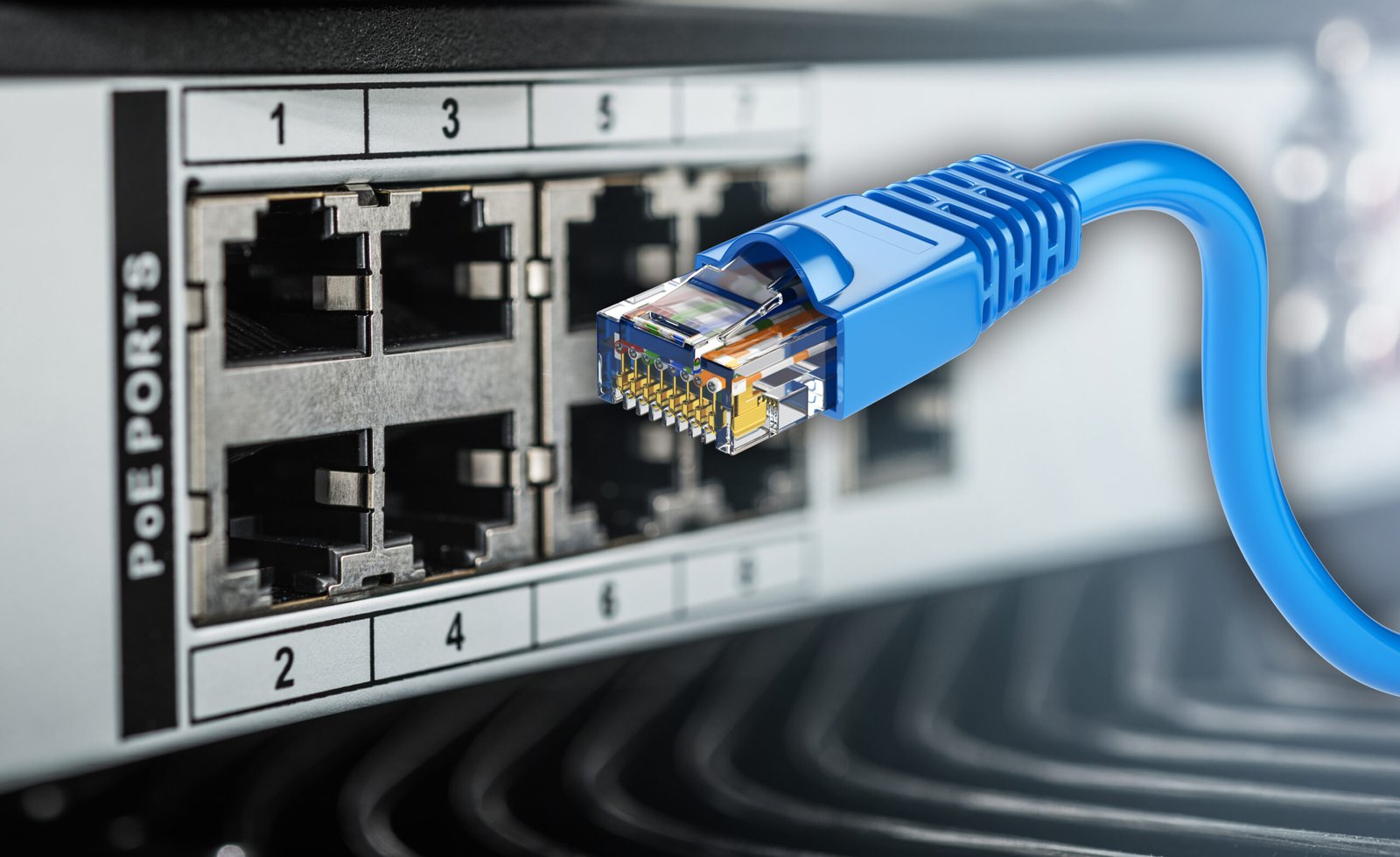
To support PoE:
Choose Cat5e minimum, but Cat6 or Cat6a preferred
Ensure your switches are PoE/PoE+ capable
Planning Your Cabling for 2026 and Beyond
Estimated traffic load
Video surveillance resolution (4K, 8K)
Number of users and devices
Wi-Fi backhaul and AP placement
Future data requirements
The right choice of cables influences performance, reliability, cybersecurity and future growth.
At Secure IT Global, you can meet modern performance standards and security expectations with Best Suggestion.
👉 Contact with us
Secure IT Global LLC
New York, NY
(888) 902 2303
customerservice@secureitglobal.com