A Complete Legal & Practical Guide for Landlords
Installing security cameras on rental properties is one of the most effective ways for landlords to protect their investment, deter crime, and improve tenant safety. However, surveillance in rental spaces must always balance security, privacy, and legal compliance. Understanding where cameras can be installed, how footage can be stored, and how tenants must be informed is essential to avoiding lawsuits and disputes.
This complete guide explains everything landlords need to know about installing security cameras in rental properties—legally, ethically, and effectively.
✅ Why Landlords Install Security Cameras
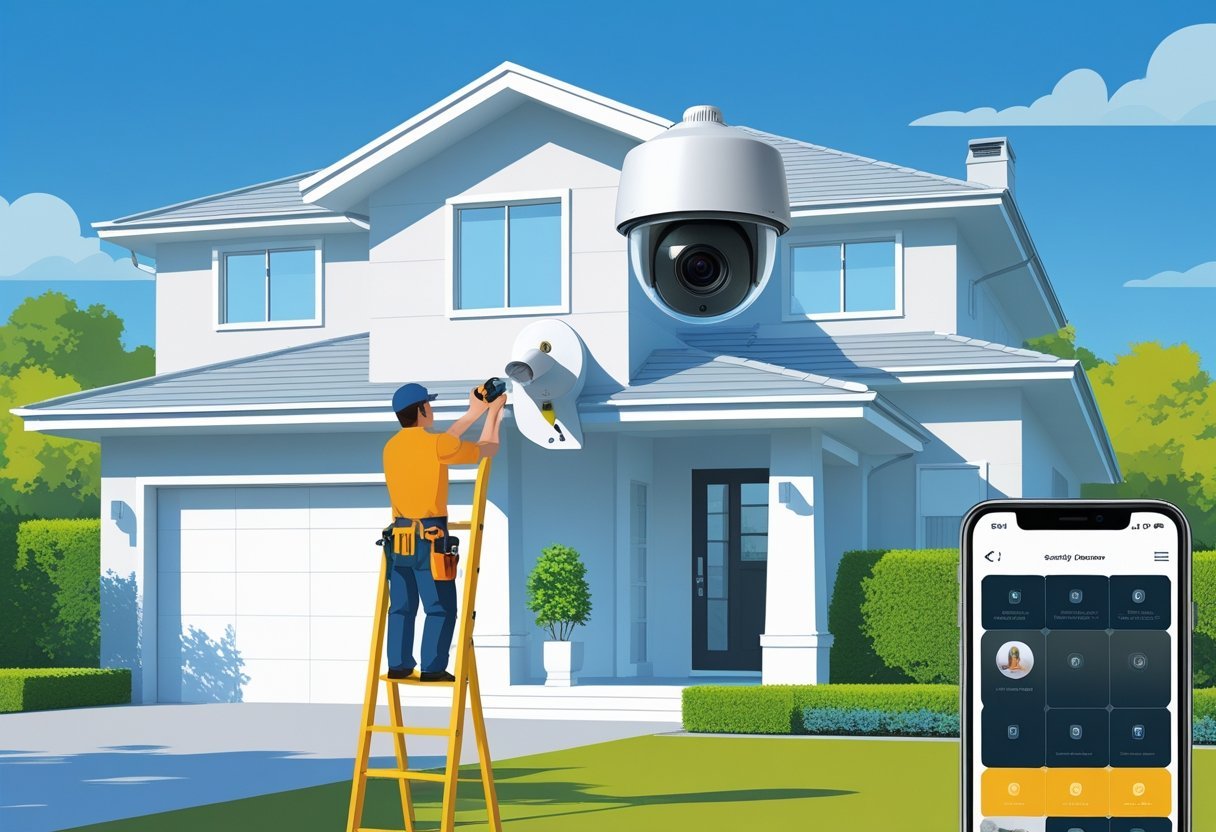
Modern security systems offer powerful benefits for rental property owners:
Crime deterrence – Visible cameras significantly reduce burglary, vandalism, and trespassing.
Evidence collection – High-quality video supports police reports and insurance claims.
Tenant safety – Well-monitored properties improve resident confidence and satisfaction.
Remote monitoring – View properties anytime using mobile or desktop access.
Liability reduction – Recorded footage helps resolve disputes and false claims.
Lower insurance premiums – Many insurers offer policy discounts for secured properties.
⚖️ Understanding the Legal Framework
1. Local & State Laws
Each city, state, and country has different regulations governing surveillance. Before installation, landlords must research:
Video surveillance laws
Audio recording laws (one-party vs two-party consent)
Data retention rules
Tenant notification requirements
2. Tenant Privacy Rights
Tenants have a legal expectation of privacy inside their living spaces. Violating that privacy can lead to:
Civil lawsuits
Criminal penalties
Lease termination disputes
Fines & reputational damage
✍️ Tenant Consent & Lease Agreements
✅ Written Tenant Consent
Best practice is to obtain documented tenant approval covering:
Camera locations
Recording purpose
Data storage policy
Access rights
✅ Lease Agreement Security Addendum
Security camera policies should be officially documented in:
The main lease agreement or
A surveillance addendum
This section should outline:
Camera coverage areas
Who can access footage
How long footage is stored
Tenant rights & protections
📍 Where Landlords CAN Install Security Cameras
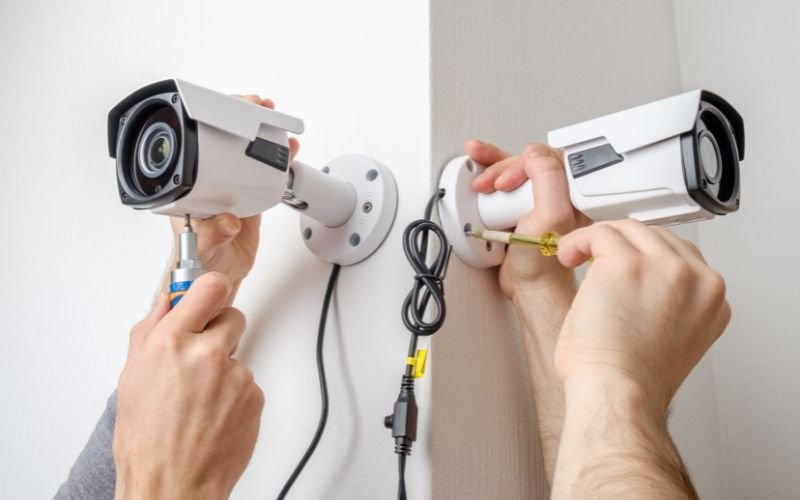
✅ Exterior Areas
Entryways & exits
Driveways & garages
Parking areas
Perimeter fencing
Yards & walkways
✅ Common Shared Areas
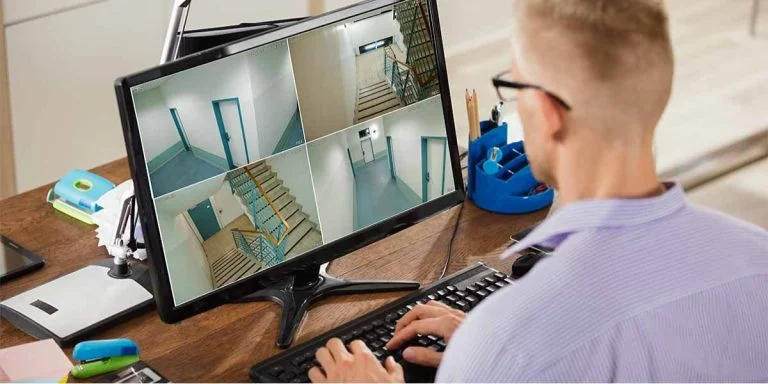
Hallways
Lobbies & stairwells
Laundry rooms
Mail rooms
Recreational areas (pools, gyms, playgrounds)
✅ Public-Facing Zones
Gates
Property entrances
Open-access sidewalks next to the property (only if legally allowed)
🚫 Where Landlords CANNOT Install Cameras
Landlords must never install cameras in areas where tenants expect privacy, including:
Bedrooms
Bathrooms
Inside apartments
Changing rooms
Any private living space
🎥 Camera Placement Best Practices
Position cameras at head height
Avoid recording neighboring properties
Use privacy masking zones
Avoid capturing audio unless legally permitted
Use motion-based alerts, not continuous zoom recording
💾 Data Storage, Retention & Access
✅ Data Retention Policies
Recommended retention period:
14–30 days, unless footage is required for:
Legal cases
Insurance investigations
✅ Secure Storage Methods
Encrypted local NVR/DVR systems
Secure cloud-based servers
✅ Restricted Access
Only authorized individuals (property managers, law enforcement upon request) should access footage. Tenants should never be publicly identifiable in shared recordings.
🔔 Alarm Systems in Rental Properties (Installation Tips)
Use wireless, non-invasive alarm systems
Avoid drilling or wall damage
Install sensors on:
Doors
Windows
Hallways
Provide tenants with:
Full instruction manuals
Disarm/reset training
Coordinate with professional monitoring services if applicable
Test systems regularly to avoid false alarms
📜 Lease Agreement vs Addendums (What’s the Difference?)
Lease Agreement Covers:
Rent terms
Property usage
Security deposits
Repairs & utilities
Legal compliance
Addendums Cover:
Surveillance policies
Pet permissions
Parking regulations
Subleasing
Security system responsibilities
✅ Benefits of Security Camera & Alarm Systems
✅ Faster police response
✅ Reduced theft & vandalism
✅ Legal protection for landlords
✅ Safer environment for tenants
✅ Stronger tenant retention rates
✅ Proof of events in disputes
✅ Integration with smart locks & access control
🔐 Secure IT Global Can Help You Install the Right System
At Secure IT Global, we specialize in professional surveillance system design, installation, and compliance guidance for:
Multi-unit rental properties
Apartment complexes
Commercial buildings
Retail plazas
Residential landlords
We ensure your system is:
✅ Legal
✅ Secure
✅ Scalable
✅ Privacy-compliant
✅ Remotely accessible
👉 Contact
Secure IT Global LLC
167 Madison Ave
New York, NY 10016
(888) 902 2303